


Understanding the Wonder
Ecological surveys and monitoring are fundamental in understanding ecosystem health. By highlighting changes over time and helping to identify pressures which may be causing changes, the study of ecosystems has developed into a complex science. Ecology utilises an array of tools and methodologies for gathering and analysing information, which may be essential for making informed conservation decisions and ensuring the long-term sustainability of natural habitats. Follow my journey below and see the ways in which I have shed light on the wonders of nature!
Ecological surveys & monitoring
Surveys and monitoring are the foundation of assessing ecological condition, changes over time and threats and pressures which may be driving those changes. My experience extends across the 3 main biomes; terrestrial, aquatic and marine. When reporting on ecological surveys I always aim to communicate the findings with a target audience in mind. Below are examples of my ecological reporting for different audiences. Firstly, a magazine report of a woodland survey facilitates the general reader, following which, a detailed scientific wetland survey report is tailored to a professional scientific standard.

Terrestrial
My experience extends across woodlands, grasslands and wetlands where botanical knowledge is crucial to carrying out extensive habitat surveys and detailed vegetation classifications.

Aquatic
Freshwater macroinvertebrate surveys and monitoring including for the strictly protected and threatened White-clawed Crayfish (Austropotamobius pallipes)Amphibians Smooth newts frogs. Find out about my surveys focussed on these and other aquatic species in the reports below.

Marine
Marine area protection has never been more important. As impacts accumulate on our oceans the species that rely on them are facing increasing threats from pollution, disturbance and exploitation of natural resources. Below you can learn about my experiences investigating the diversity of life in our Ocean.
Woodlands
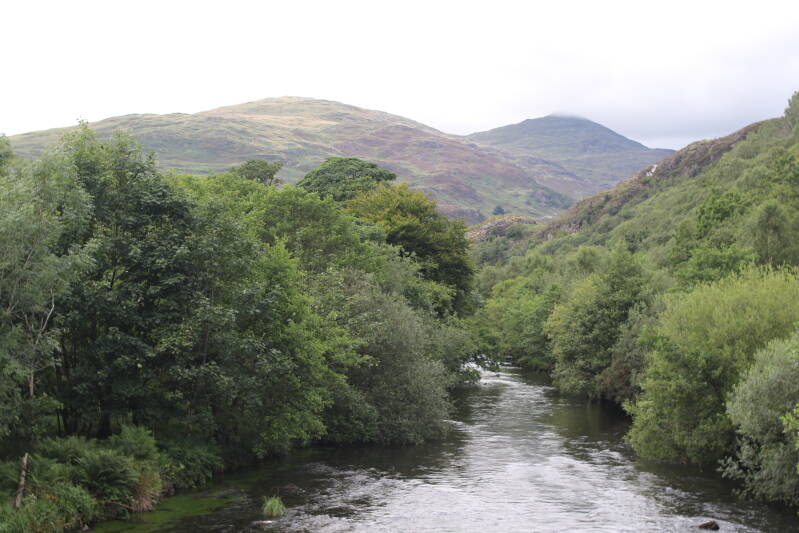
My role as conservation manager for the Native Woodland Trust required me to carry out a range of ecological surveys and monitoring across the Trust's network of nature reserves. Baseline ecological assessments provided information to support management measures necessary for the conservation of these sites. Under this remit I investigated factors integral to the ecological functioning of sites including current threats and pressures and communicated them to a diverse audience. On the left you can read my magazine formatted report (4 pages) of 3 woodland surveys.
Wetlands
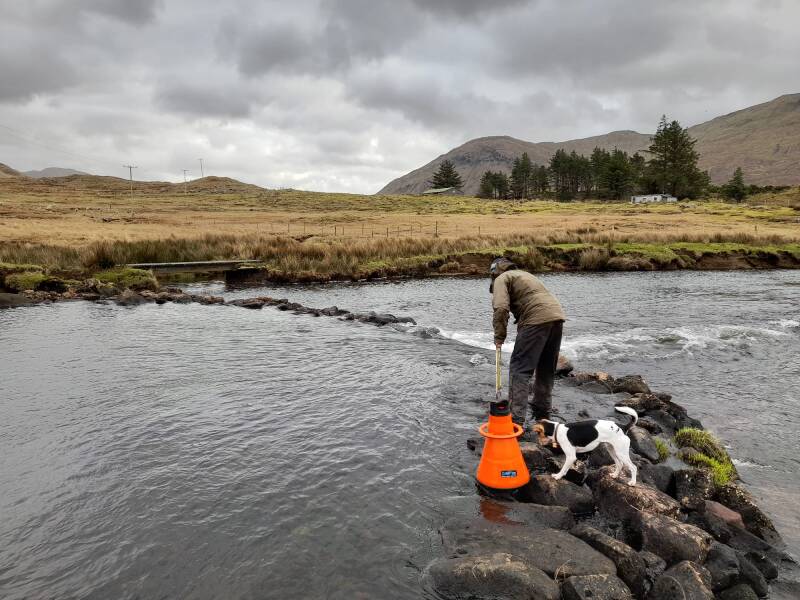
Ireland experiences a temperate oceanic climate due to it's location on the northeast Atlantic seaboard, so wherever we are, we are never far from water. As such, understanding synergies between aquatic habitats and the land is fundamental in providing the right type of protections for species with varying habitat requirements along an aquatic - terrestrial gradient. My work has involved surveys and monitoring of several protected wetland species. My report on the right comprises scientific ecological reporting on wetland surveys.
Oceans
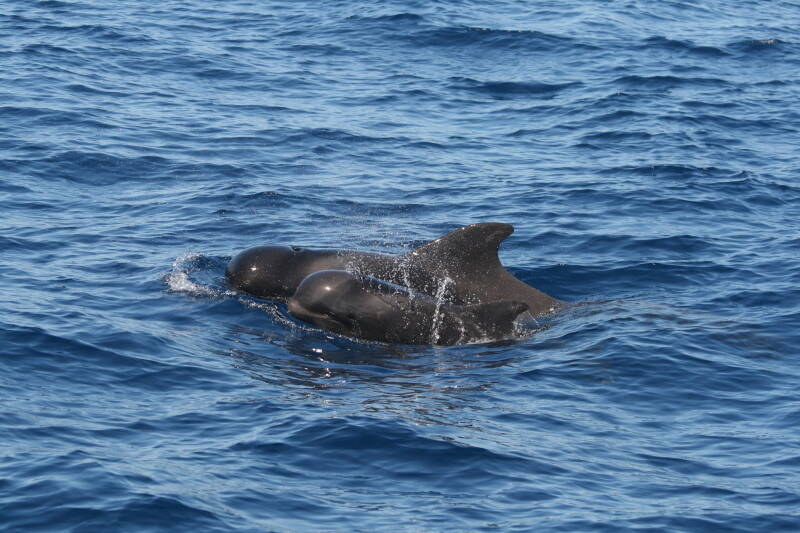
Ocean covers over two-thirds of the surface area of our planet but we know more about the surface of the moon than about the complex sub-marine ecosystems of which it is composed. In 2015, I travelled to Tenerife in the Canary Islands to work with a cetacean monitoring charity; Atlantic Whale Foundation. Having spent 3-months living on site and helping to coordinate the project, I produced an investigative report highlighting the array of marine life that I encountered and some of the challenges that it faces. Read it on the left. (26-pages)
Protected Species and Habitat surveys, continued...

Lesser Horseshoe Bat Monitoring
Birds, bats, butterflies
Smooth Newt surveys
